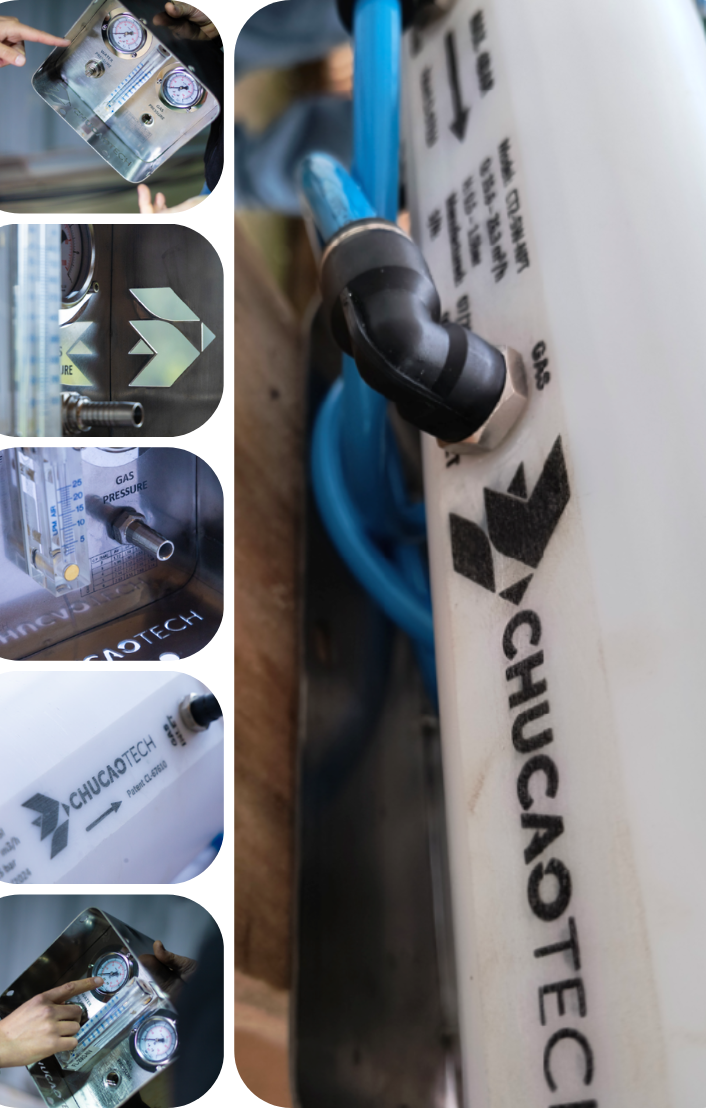
We offer technological solutions adapted to a range of industries, helping to optimize processes and improve sustainability. We work hand-in-hand with sectors such as agriculture, aquaculture, and mining, bringing innovation and efficiency in every project.
No matter the species, our technology of nanobubbles, helps to oxygenate effectively processes in aquaculture, mejorandor the quality of the water and optimizing the growth in the cropping systems, offering solutions that are more efficient and sustainable production.
Our solutions nanobubbles contributing to the health and growth of fish systems for fish farming.
Maximizes oxygenation in culture ponds, ensuring an optimal environment for the production and development of fish.
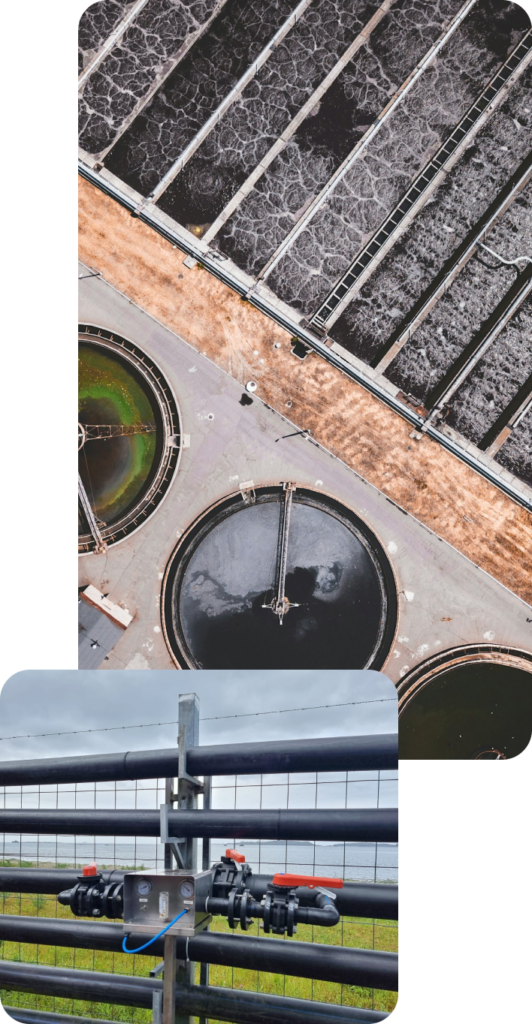
Our nanobubbles improve water quality in the tributaries treatment, to facilitate the removal of contaminants and promoting an aquatic environment more healthy and sustainable.
The nanobubbles optimize the treatment of effluents, facilitating the decomposition of pollutants and improving water quality for reuse in production processes.
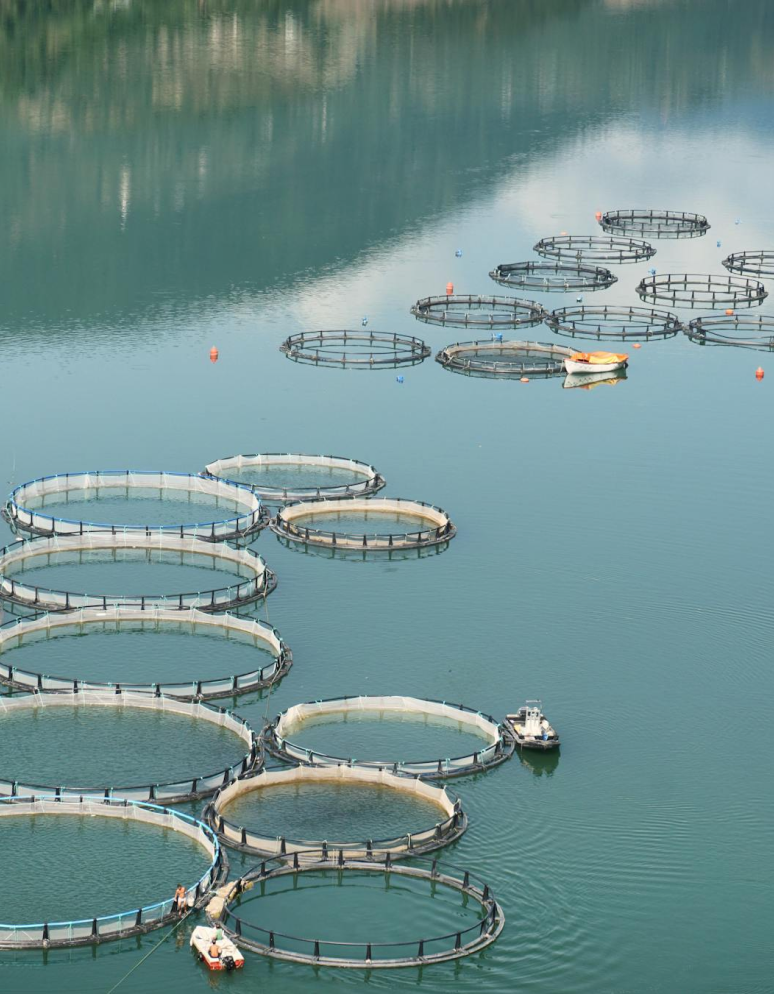
The implementation of nanobubbles in cages improving water quality, increasing oxygenation, and promoting the well-being of the fish , which results in a more efficient production and sustainable.
Optimization of oxygenation in centers of farming sea cages, delivering oxygen to a stable, cost-effective, efficient, and environmentally responsible.and to improve the health and growth of aquatic organisms.
Allow bathrooms extended to be more effective for control of Caligus, ensuring the well-being and the health of the fish.
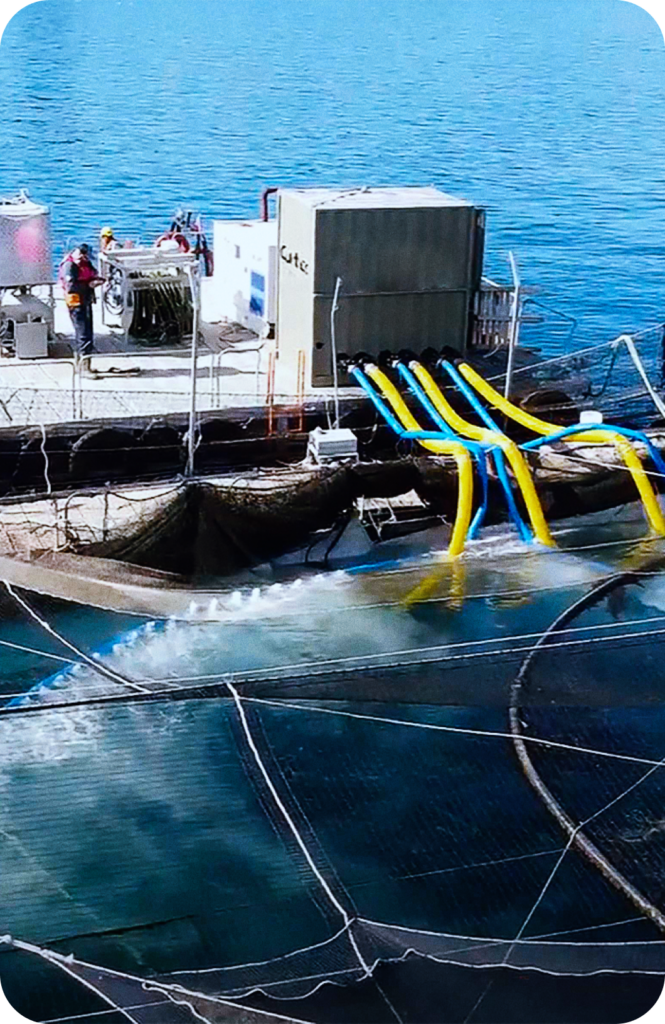
Effective strategies to treat Caligus in wellboats, ensuring the results and at the same time, safeguarding the health and welfare of fish during transportation
Thanks to the nanobubbles is achieved restore and revitalize the fund efficiently and effectively, achieving the state aerobic.
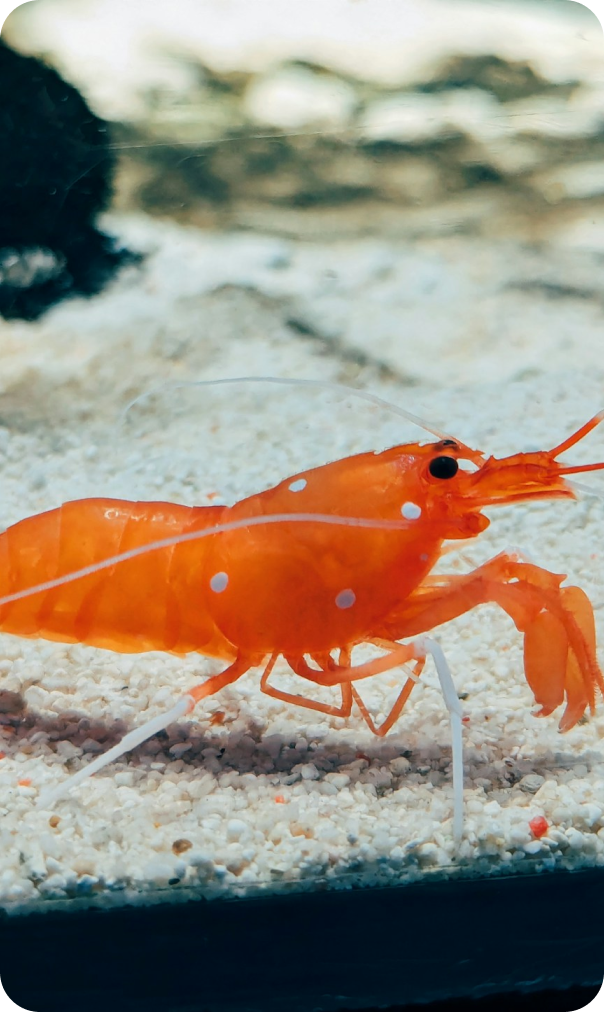
The implementation of nanobubbles in systems of cultivation of shrimp and tilapia, it allows to improve the water quality, increasing oxygenation, and promoting the well-being of the organisms in aquaculture , resulting in a more efficient production and sustainable.
With teams in Ecuador, Mexico and Thailand our technology of nanobubbles has improved the quality of life of the intensive culture of shrimp, both in the laboratory stage, as in raceways, giving an oxygen delivery of efficient and effective way.
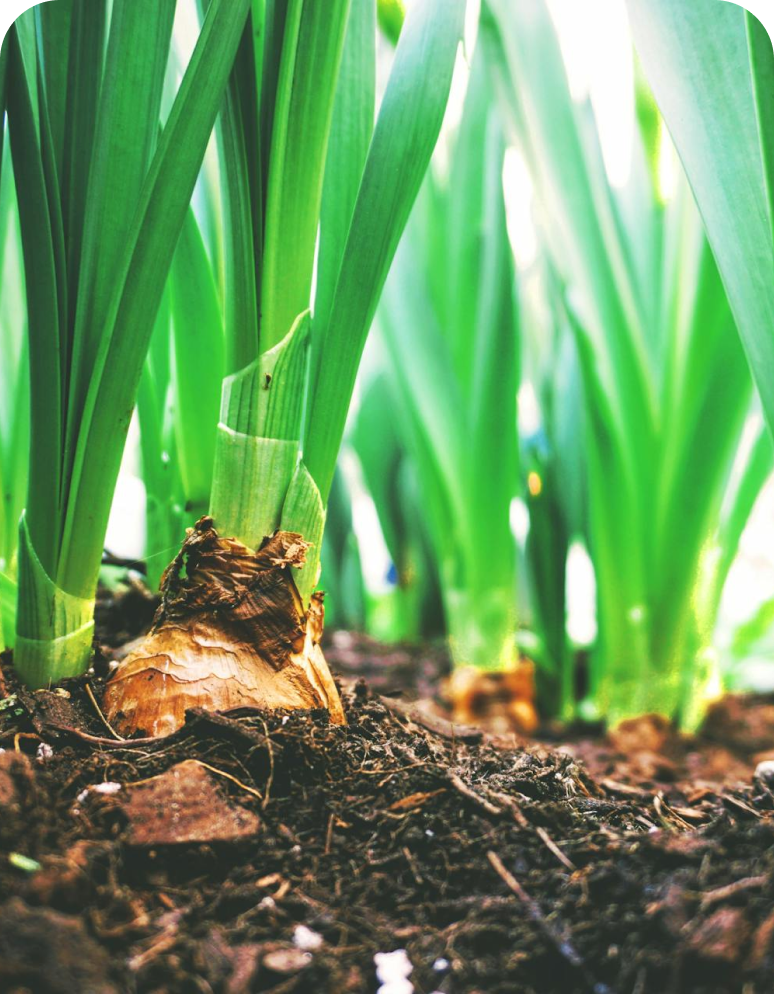
The technology of nanobubbles improves the efficiency in agriculture to optimize the oxygenation of the soil, increasing the availability of nutrients and boost the growth of the crops, thus contributing to more sustainable practices and productive.
Modern agriculture faces a key challenge: producing more and better with fewer resources. Water scarcity, soil degradation, rising costs, and increasing sustainability demands require the adoption of technologies that improve productive efficiency without increasing operational complexity.
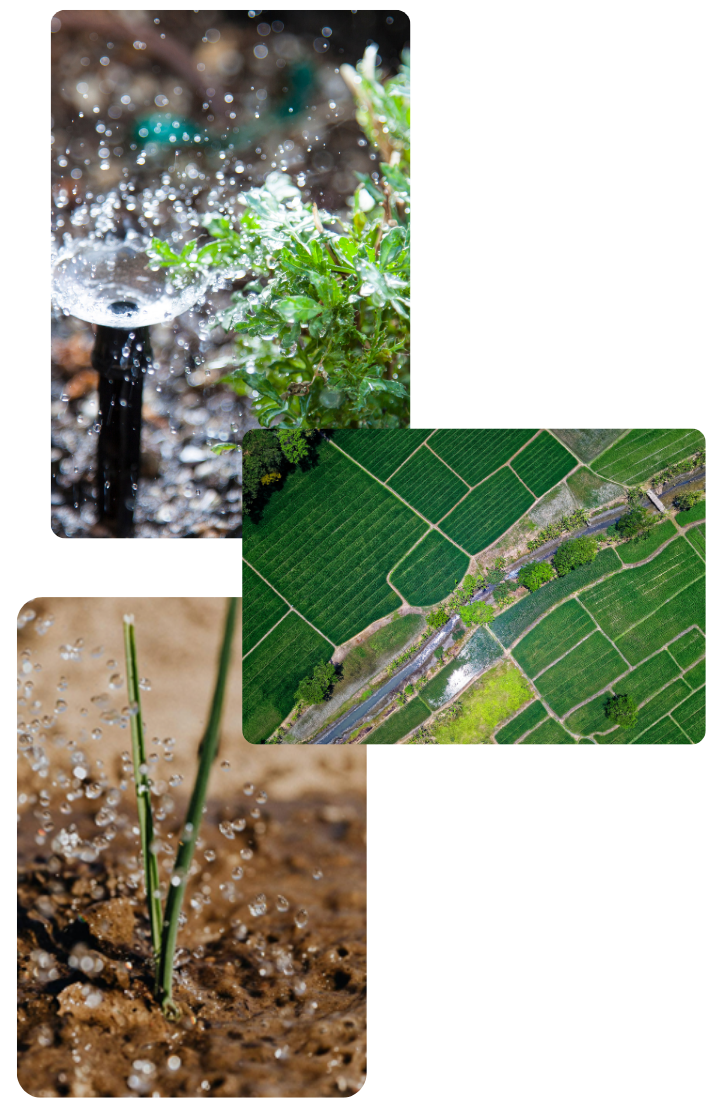
In this context, irrigation with water enriched with gas nanobubbles (oxygen or air) stands out as an advanced technological solution, supported by scientific evidence and field validation, capable of transforming irrigation water into an active input for the production system.
Nanobubble irrigation is not an additional input, but a strategic tool for water and soil management. Its simultaneous impact on soil structure, microbiology, root development, and productivity explains why it is positioned as a key technology for more efficient, profitable, and sustainable agriculture. ChucaoTech’s results demonstrate that water can become an active driver of productivity improvement, capable of generating measurable and sustainable economic returns over time.

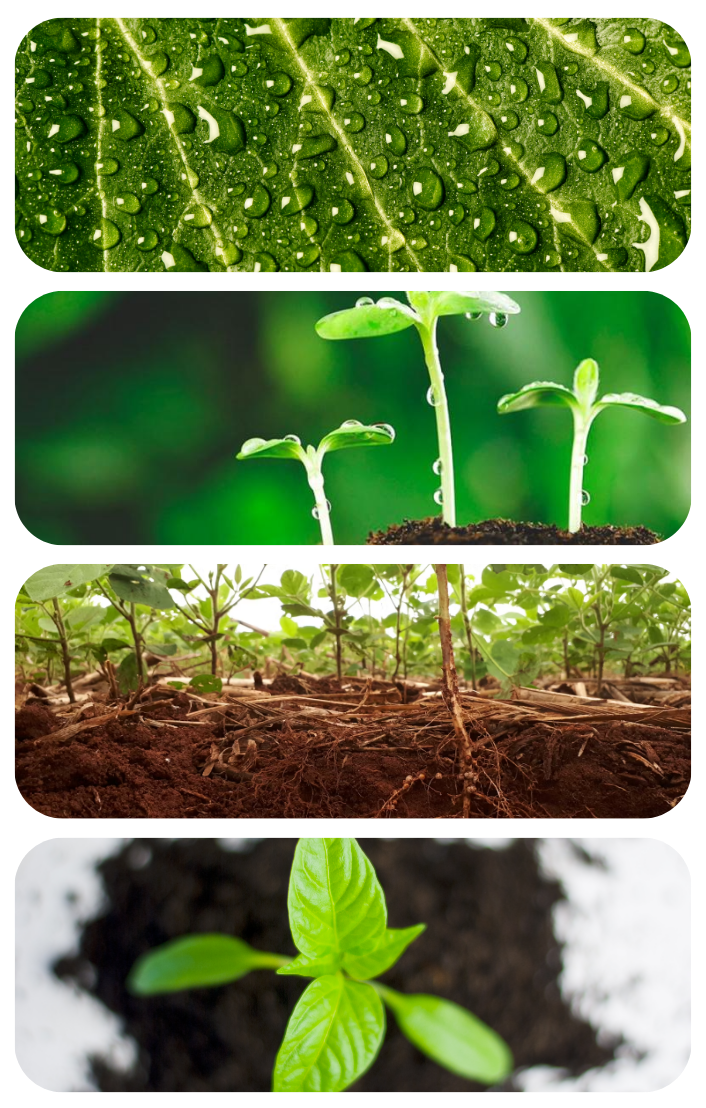
One of the most significant effects of nanobubble irrigation is the improvement of soil structure. Its use allows for:
In pilot trials conducted by ChucaoTech, measurable reductions in soil compaction were observed within just a few months, along with a visible transformation of the soil toward a more friable, aerated, and biologically active condition.
In addition, nanobubbles reduce the surface tension of water, facilitating its penetration into micropores, improving wetting, and reducing losses due to surface runoff.
Nanobubble irrigation promotes a stable aerobic environment in the rhizosphere, a key condition for a functional and healthy microbiome. Among the observed benefits are increased activity of beneficial and nitrifying bacteria, greater abundance of mycorrhizal fungi, reduced populations of microorganisms associated with anaerobic environments, and a decrease in root pathogens. This microbiological balance enhances crop nutrition, strengthens resilience to water and sanitary stress, and contributes to the sustainability of the soil–plant system.
In crops where size, uniformity, and quality determine price, these results have a direct economic impact.
· Higher dissolved oxygen levels in the nutrient solution.
· Reduced biofilm formation.
· More uniform and faster growth.
Improved soil oxygenation translates directly into a more efficient root system:
From a physiological standpoint, various studies and field experiences show improvements in photosynthetic activity, nutrient use efficiency, and overall crop performance, even without increasing fertilization rates.
· +27% in yield per hectare.
· +10% of larger-sized fruit.
· +41% in economic return.
· Higher regrowth rate.
· Increased biomass.
· Improved water use efficiency.
Nanobubble irrigation stands out for its high compatibility with existing infrastructure.
· Drip irrigation.
· Micro-sprinkler and sprinkler irrigation
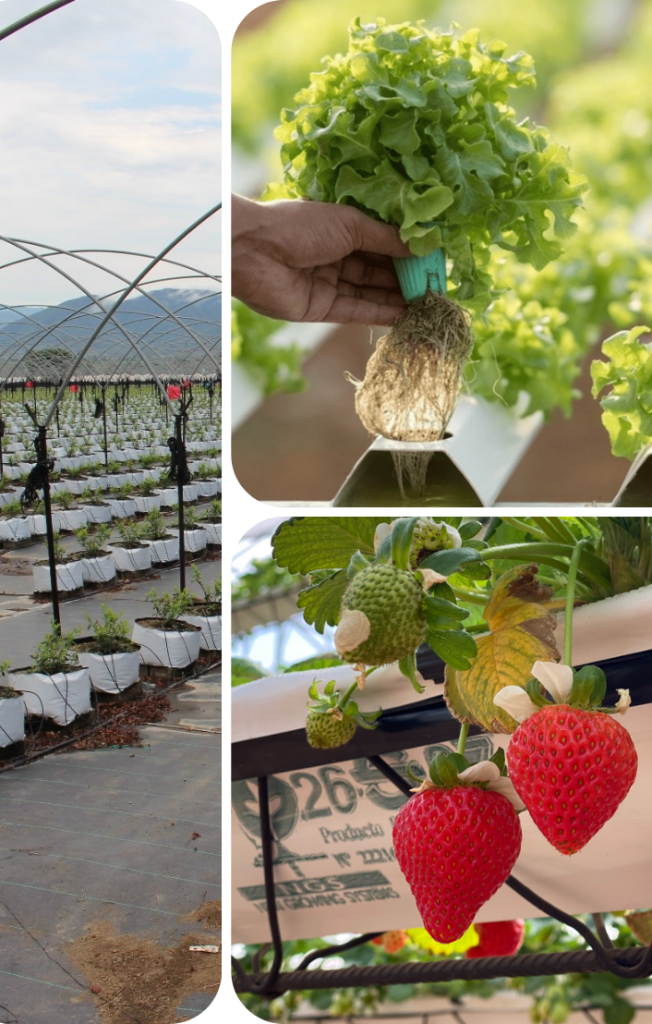
· Fertigation systems.
· Intensive and hydroponic cropping systems.
The technology requires low maintenance, does not alter daily agronomic management, and allows for progressive implementation, starting with pilot trials and scaling up based on actual field results.
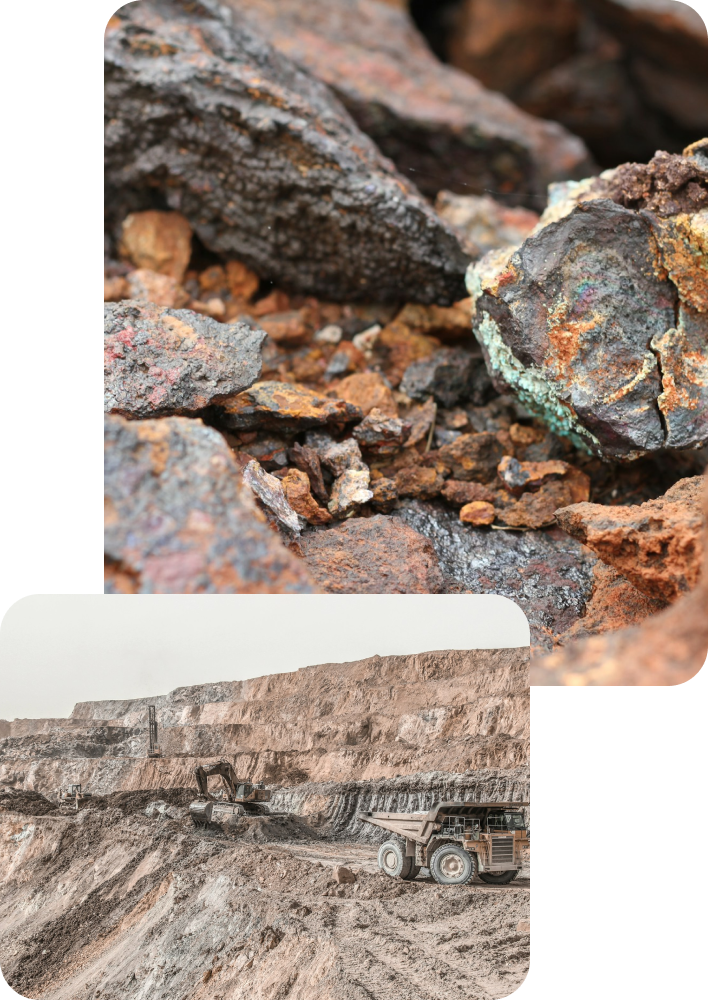
The incorporation of nano-bubbles in mining processes improves the efficiency in the extraction and processing of minerals, promoting more sustainable practices and reducing the use of chemicals and water.
This process optimizes the extraction of metals and minerals to improve the dissolution and separation of particles. The technology of nanobubbles promotes greater efficiency and sustainability by reducing reliance on chemicals.or a more efficient use of water and to promote sustainable agricultural practices.
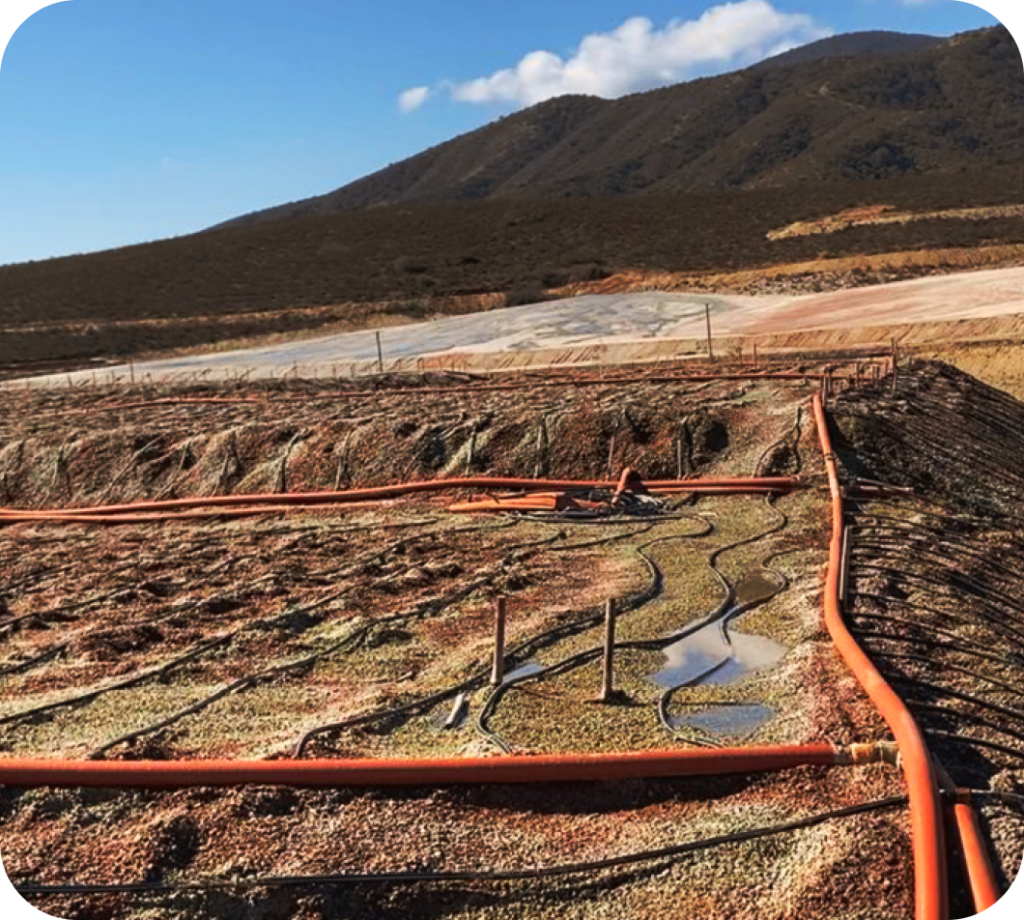
· Increases the recovery of gold (Au) using the efficiency of oxidation of the oxygen.
· Potential reduction of cyanide (CN-)(cost-environmental impact).
· Increased recovery of Cu/Au (copper/gold) to increase the oxidation by oxygen.
· Potential reduction in the use of sulfuric acid/cyanide (cost – environmental impact).
This process optimizes the separation of minerals to improve the efficiency of flotation with nanobubbles, which allows a recovery efficiency of particles valuable and reduces the need for chemical reagents.
· Increased the recovery of Cu, Au, Mo or other minerals from fine particles in the flotation process.
· Potential reduction in the use of collector.
· Increase in the recovery of Cu and Mo during the conditions of flotation primary by 2% and ≥ 10%, respectively.
· Increase in the kinetics of flotation the copper and molybdenum.